
Sponsored Content Trends: Where Brands Should Invest Now
More than 6 billion people now use the internet, and global ad spend keeps rising. Here are the sponsored content trends that help brands get seen and remembered.
Summary
More than 6 billion people now use the internet, or 73.2% of the global population. Advertisers are following them: WARC forecasts that global ad spend will grow 11.9% in 2026 to $1.34 trillion. A bigger market does not make it easier to reach your audience, though. Feeds are crowded, people block ads, and a growing share of searches now end with an AI-generated answer. Here are the trends that matter if you want your sponsored content to be seen and remembered.
1. Content Marketing Keeps Delivering
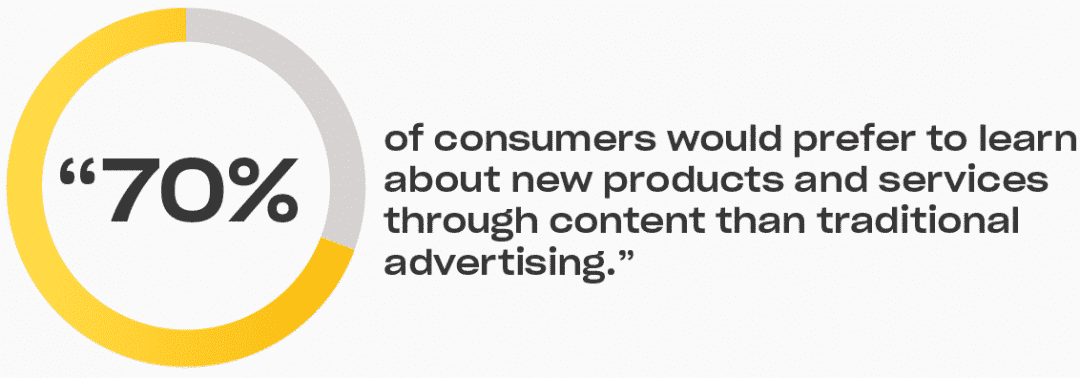
Paid search and paid social budgets keep rising, but content marketing is still where many marketers see the best return. Paid marketing means ads bought on social networks or search engines. Content marketing gives people articles, videos, podcasts or guides they actually want to read, watch or hear. In HubSpot's 2026 State of Marketing survey of more than 1,500 marketers, 36.9% plan to increase content marketing spend, while the biggest planned cuts concern print ads and direct mail.
The reason is simple: an ad stops working the day you stop paying for it, while a useful article keeps bringing in readers, links and leads for months. Sponsored articles published in established media combine both: you pay for the placement, but the content keeps its value long after the campaign.
2. Video, Creators and Media Share the Same Audience
Attention is spread over more formats than ever. Short-form video is the format marketers rank highest for ROI (48.6% put it in their top three, according to HubSpot), and creators have become a channel of their own: the IAB projects US creator economy ad spend at $37 billion in 2025, up 26% in a year and about four times faster than the media industry overall.
For brands, the lesson is not to choose one format but to tell the same story in several places: a video for social networks, an episode in one of the podcasts your customers follow, and a detailed article in a media outlet your buyers read and trust.
3. Evergreen, In-Depth Articles Beat Short-Lived Content
Stories and other ephemeral formats are good for staying visible day to day, but they disappear after 24 hours. Permanent content is easier to measure and builds value over time, which makes it simpler to prove the ROI of your campaigns.
In-depth articles have gained a new role with AI search. Google says AI Overviews now reach more than 2.5 billion monthly users, and tools like ChatGPT answer questions by drawing on published pages. These answers tend to rely on detailed, well-sourced articles from third-party websites, especially recognized media. A thorough article in the right publication can therefore reach readers directly and also feed the answers they get from AI engines. Writing a long piece that holds attention is a skill, so work with experienced writers or with the publisher's own editorial team, and keep your short formats for day-to-day visibility.
4. Branded Audio Has Become a Mainstream Channel
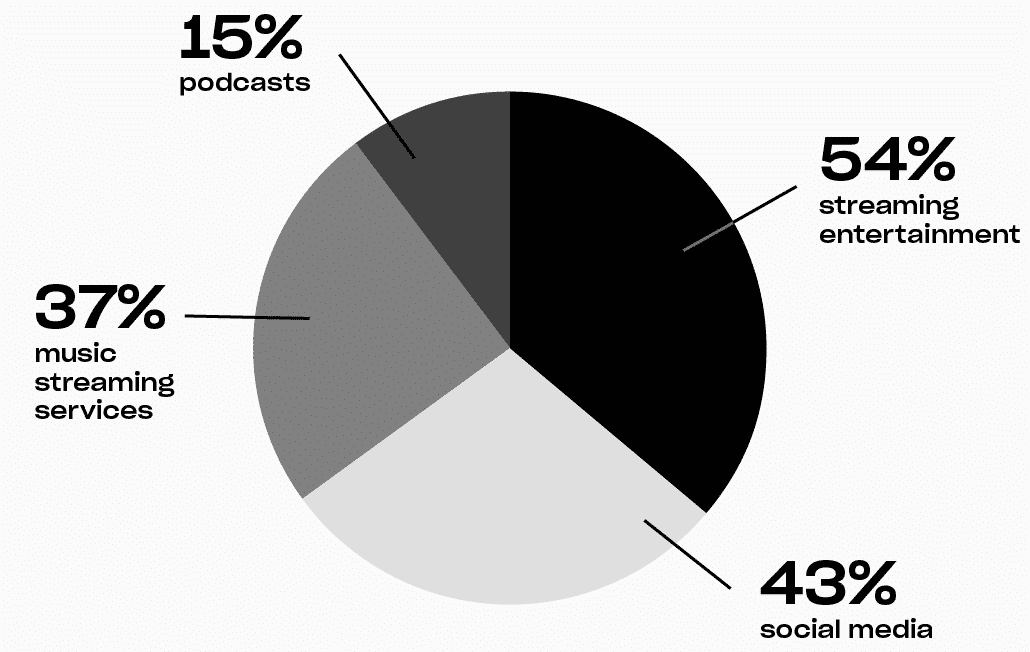
A few years ago, audio was an experiment for most brands. It is now a mainstream channel: according to The Infinite Dial 2026, 58% of Americans aged 12 and over listened to or watched a podcast in the last month, an all-time high. Listening also happens on the road: 37% of people who drove or rode in a car in the past month listened to podcasts there, and 55% among 18-34 year olds.
Sponsoring an episode, creating a branded series or appearing as a guest are all ways to spend twenty or thirty minutes with an audience that chose to listen. Audio works best when it is linked to written content that people can find again later, such as a show page or an article summarizing the key points.
5. Sponsored Content Keeps Growing
Sponsored content is no longer a niche. EMARKETER expects US native display ad spending to grow 13.1% in 2026, to $147.98 billion, even if native's share of total display is shrinking as connected TV and retail media grow. Demand is backed by what people trust: in Edelman's 2026 report on trust and brands, 41% of people say what others say about a brand affects their trust most, against only 20% who cite what the brand says about itself. Coverage in an independent media outlet sits closer to the first category than any banner or traditional advertising ever will.
That does not mean every sponsored piece will work. Kantar's Media Reactions 2025 study shows people are more open to advertising than a few years ago (57% have a positive attitude toward ads), but that goodwill depends on quality. To deliver results, sponsored content has to be clearly labeled, useful to the reader and published in a media outlet that fits your topic. Readers notice when a piece is written only to sell.
6. Blogs and Articles Still Drive Business
TikTok and Instagram get much of the attention, but the written word still pays off. In HubSpot's data on B2B marketing channels, website, blog and SEO rank first both for usage (48.4% of marketers) and for ROI (30.2%), ahead of email and paid social.
Your own blog and your presence in third-party media work together. Articles on your site answer your customers' questions and convert visitors. Articles in established media bring you readers, credibility, backlinks that help your rankings, and brand mentions that AI engines pick up. Links and mentions are complementary: both tell search engines and AI assistants that your brand is worth recommending.
Conclusion
Formats and platforms will keep changing, but the basic challenge stays the same: getting the attention of an audience that is more selective than ever and that increasingly gets its answers from AI engines. Brands that do well spread their budget across formats, publish content that is useful in its own right, and place it in media their audience already trusts.
Above all, quality comes first. Test new formats and platforms, measure what works, and make sure every piece you publish, on your site or in the media, earns the attention it asks for.